Kanko Conducted Rapid Assessment of Gender Transformative Digital Skills in Ghana for UNESCO
Kanko has successfully partnered with the United Nations Educational, Scientific and Cultural Organization (UNESCO) to carry out a critical rapid assessment on gender-transformative digital skills education in Ghana. This assignment was part of the inception phase of UNESCO’s new two-year flagship project, “Closing the Digital Divide: Ensuring Gender-Transformative Digital Skills Education for Women and Girls.”
Launched in partnership with Beijing Normal University and the governments of Ghana and Tanzania, the project aims to address the gender gap in digital literacy and STEM education. It seeks to empower girls and women to become active contributors to science, technology, and innovation—ultimately supporting broader economic growth and helping to achieve Sustainable Development Goals 4.5 and 5.b.
Kanko undertook a comprehensive, country-wide assessment to understand the current landscape, gaps, opportunities, and policy context for inclusive digital skills education in Ghana. The assignment involved the collection and analysis of data from a wide range of stakeholders, including colleges of education, senior high schools, and key government agencies involved in STEM and ICT education.
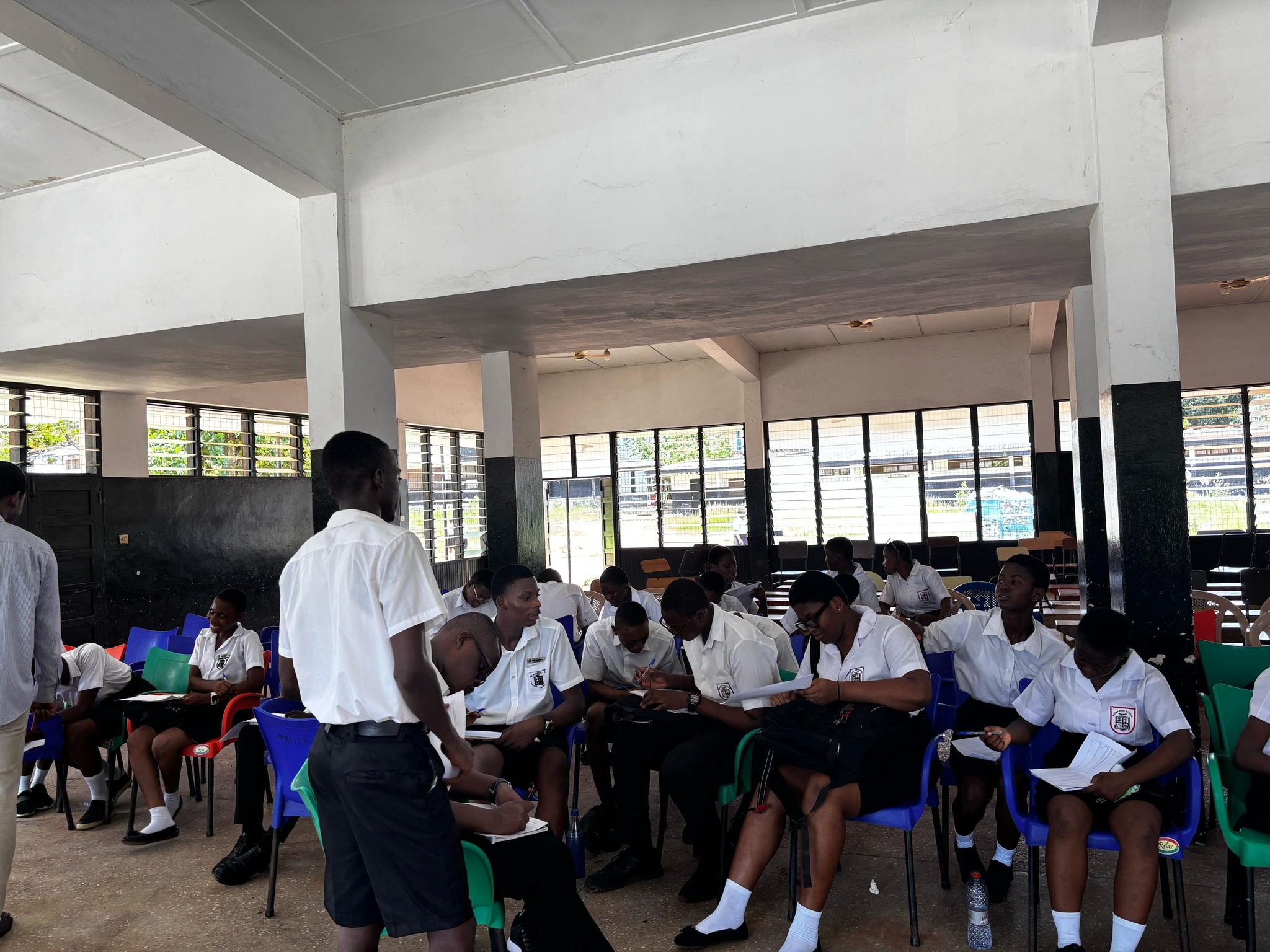
The team from Kanko conducted key informant interviews and focus group discussions with heads, principals and students of selected teacher training colleges and senior high schools, as well as with representatives of national institutions tasked with education policy and implementation. The discussions explored topics such as:
- Availability of existing data and evidence on gender-transformative digital skills education.
- Existing teacher training materials and their relevance to gender-responsive pedagogy.
- Ongoing initiatives and programmes being implemented by government, NGOs, and the private sector.
- Capacity development needs for educators and institutions.
- Levels of ICT access in schools, including internet connectivity and availability of devices.
- National policies and frameworks guiding digital education and gender inclusion.
- Teacher training curricula and the accessibility of professional development opportunities for both male and female educators.
The assessment also mapped key stakeholders and highlighted lessons learned from previous interventions, in order to identify best practices that could be scaled or replicated as part of the project’s implementation.
Following the data collection phase, the findings were compiled into a draft report. This report, prepared by the project’s lead consultant, Mary Tobbin Osei, was presented at a validation workshop attended by key stakeholders from the education sector, government ministries, civil society organizations, and development partners. The workshop provided a collaborative space for participants to review and enrich the findings, ensuring they are grounded in the realities and needs of Ghana’s education landscape.
This recent collaboration with UNESCO further highlights Kanko’s capacity to contribute meaningfully to global and regional development efforts. We are proud to be supporting initiatives that seek to promote gender equity, technological empowerment, and inclusive education systems across Ghana and beyond.
Add a Comment