UNICEF Ghana commissioned Genesis Analytics (lead firm), in partnership with Kanko (local firm), to support the development of a National Parenting Strategy and Parenting Training Manual. Kanko led the data collection phase to assess parenting needs in Ghana, to inform the strategy and training manual. The assessment sought to generate evidence on parenting practices, current delivery models, and caregiver needs across diverse regions and communities. The primary aim is to strengthen family wellbeing and reduce violence against children and intimate partner violence by promoting positive parenting practices and linking families with integrated support services.
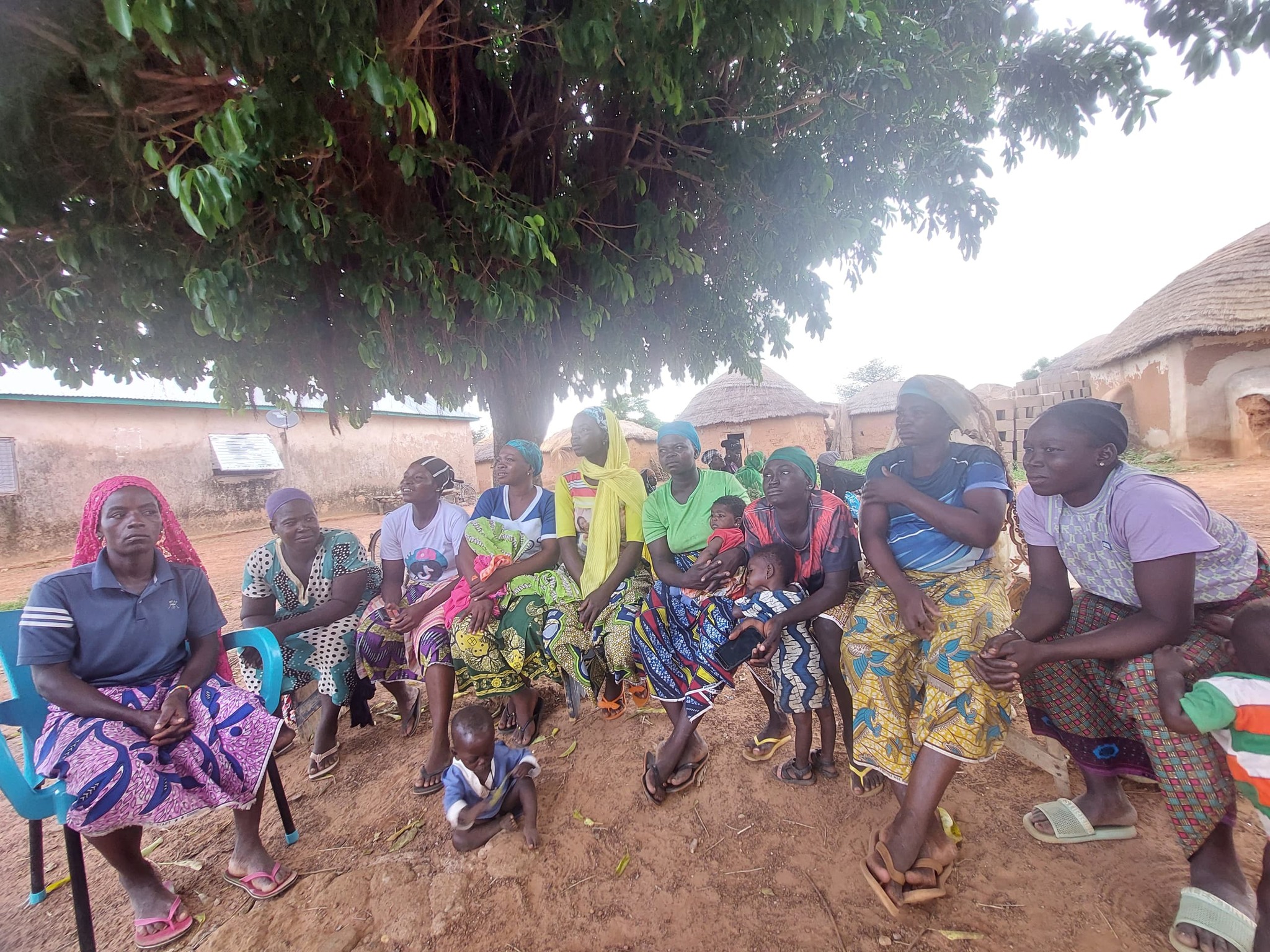
We adopted mixed-methods approach that involved Key Informant Interviews with government officials, service providers, NGOs, community and faith leaders, and Focus Group Discussions with mothers, fathers, adolescent parents, and adolescent children. These interviews were conducted across six districts in three zones (north, middle, and south Ghana) represented by Northern Region (Kumbungu District, Tolon District), Ashanti Region (Kwabre East Municipal, Bosome Freho District) and Eastern Region (Ayensuano District, Yilo Krobo Municipal) respectively to ensure geographic, socio-economic, and cultural diversity. All questions were designed carefully to ensure appropriateness and understanding for all stakeholders, regardless of age, educational status, ethnicity and gender. This methodological approach was co-designed with, and signed off by, UNICEF Ghana.
The assessment team explored on parenting challenges, existing services, community assets, and barriers to access, especially for vulnerable groups such as adolescent caregivers and parents of children with disabilities. Ethical considerations—including informed consent, confidentiality, and child protection— were rigorously upheld, with enumerator training on safeguarding and inclusion. The insightful findings from this study will ensure that the national strategy is context-responsive to Ghana, multi-sectoral, and sustainable. The ultimate goal is to institutionalise coordinated parenting support that aligns with Ghana’s commitments to child rights, protection, health, education, and social inclusion.
Add a Comment