Leadership

Building Leadership Excellence: GNTDA Executives Embrace Transformative Training

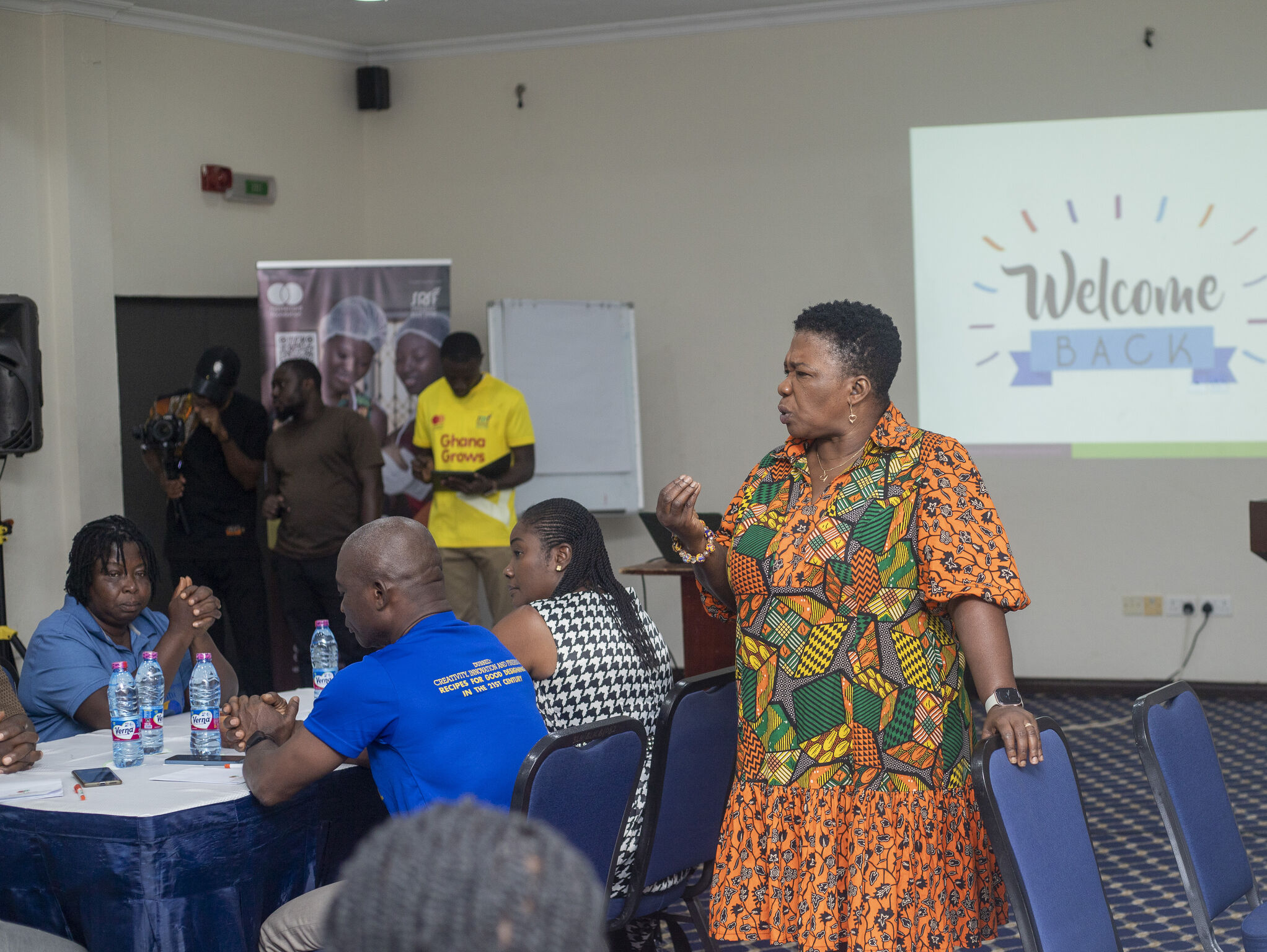
In a strategic move to enhance institutional capacity and leadership effectiveness, Kanko, a leading social development consulting firm, recently facilitated a comprehensive Leadership Development Capacity Building Workshop for the Ghana National Tailors and Dressmakers Association (GNTDA). The two-day training at Sunlodge Hotel in Tesano brought together 39 executive members from across Ghana’s 16 regions.

The workshop, funded by the Mastercard Foundation and implemented in partnership with Springboard Roadshow Foundation as part of the Ghana Grows program, aimed to strengthen GNTDA’s organizational capabilities by adopting industry best practices. As a consulting firm specializing in human and organizational development, Kanko designed an interactive and practical training program that addressed the unique needs of GNTDA’s leadership team.

The training journey began with an engaging leadership simulation that challenged participants to work collaboratively in creating their nations. This exercise set the tone for the workshop, revealing important insights about collective decision-making and the value of diverse perspectives in leadership. As one participant noted, “Leadership is not about knowing everything, but about bringing out the best in everyone.”

Through carefully structured sessions, the executives explored various dimensions of leadership, from self-leadership to situational and functional approaches. The Be-Know-Do model provided a practical framework for understanding leadership development, while discussions on situational leadership equipped participants with strategies for adapting their leadership style to different contexts.

A particularly impactful moment came when a district chairman shared his experience of decisive leadership during the COVID-19 crisis. His story of implementing safety measures for trainees demonstrated the practical application of situational leadership in crisis management. Such real-world examples helped bridge the gap between theory and practice, a hallmark of Kanko’s consulting approach.

The training also emphasized the critical distinction between leadership and management, with participants learning that while managers focus on resources, true leaders focus on people. This understanding was reinforced through practical exercises in team building and the exploration of team development stages.

As the workshop concluded, participants had not only gained theoretical knowledge but had also developed concrete SMART goals for their organization’s future. These included plans for establishing regional offices, building training facilities, and creating resource centers – all aimed at better serving GNTDA’s 40,000+ members.
Parenting 2

Kanko Supported UNICEF Ghana’s Parenting Needs Assessment towards the Development of National Parenting Strategy and Training Manual

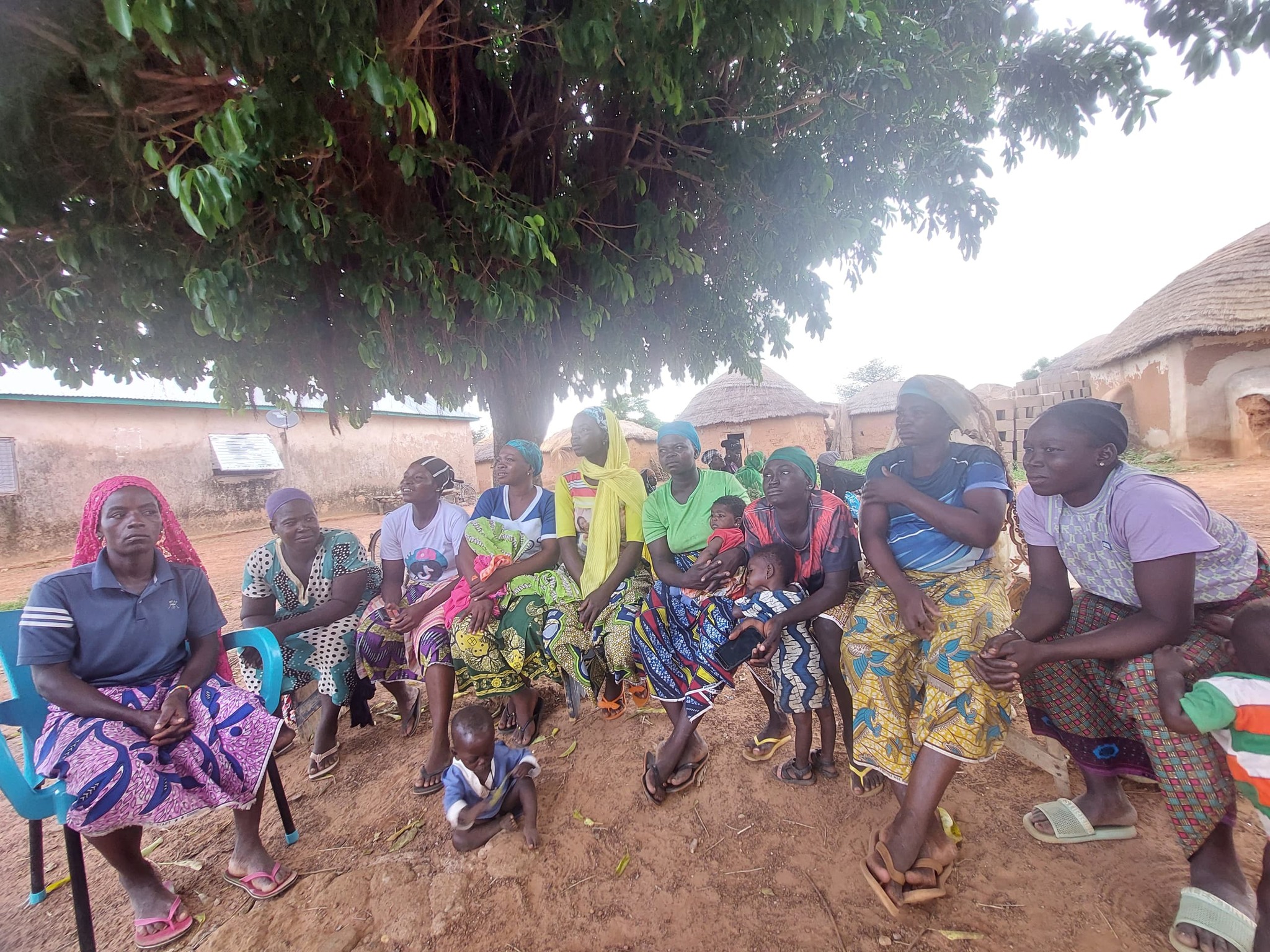
UNICEF Ghana commissioned Genesis Analytics (lead firm), in partnership with Kanko (local firm), to support the development of a National Parenting Strategy and Parenting Training Manual. Kanko led the data collection phase to assess parenting needs in Ghana, to inform the strategy and training manual. The assessment sought to generate evidence on parenting practices, current delivery models, and caregiver needs across diverse regions and communities. The primary aim is to strengthen family wellbeing and reduce violence against children and intimate partner violence by promoting positive parenting practices and linking families with integrated support services.

We adopted mixed-methods approach that involved Key Informant Interviews with government officials, service providers, NGOs, community and faith leaders, and Focus Group Discussions with mothers, fathers, adolescent parents, and adolescent children. These interviews were conducted across six districts in three zones (north, middle, and south Ghana) represented by Northern Region (Kumbungu District, Tolon District), Ashanti Region (Kwabre East Municipal, Bosome Freho District) and Eastern Region (Ayensuano District, Yilo Krobo Municipal) respectively to ensure geographic, socio-economic, and cultural diversity. All questions were designed carefully to ensure appropriateness and understanding for all stakeholders, regardless of age, educational status, ethnicity and gender. This methodological approach was co-designed with, and signed off by, UNICEF Ghana.

The assessment team explored on parenting challenges, existing services, community assets, and barriers to access, especially for vulnerable groups such as adolescent caregivers and parents of children with disabilities. Ethical considerations—including informed consent, confidentiality, and child protection— were rigorously upheld, with enumerator training on safeguarding and inclusion. The insightful findings from this study will ensure that the national strategy is context-responsive to Ghana, multi-sectoral, and sustainable. The ultimate goal is to institutionalise coordinated parenting support that aligns with Ghana’s commitments to child rights, protection, health, education, and social inclusion.

Rapid 1

Kanko Conducted Rapid Assessment of Gender Transformative Digital Skills in Ghana for UNESCO

Kanko Conducted Rapid Assessment of Gender Transformative Digital Skills in Ghana for UNESCO

Kanko has successfully partnered with the United Nations Educational, Scientific and Cultural Organization (UNESCO) to carry out a critical rapid assessment on gender-transformative digital skills education in Ghana. This assignment was part of the inception phase of UNESCO’s new two-year flagship project, “Closing the Digital Divide: Ensuring Gender-Transformative Digital Skills Education for Women and Girls.”

Launched in partnership with Beijing Normal University and the governments of Ghana and Tanzania, the project aims to address the gender gap in digital literacy and STEM education. It seeks to empower girls and women to become active contributors to science, technology, and innovation—ultimately supporting broader economic growth and helping to achieve Sustainable Development Goals 4.5 and 5.b.

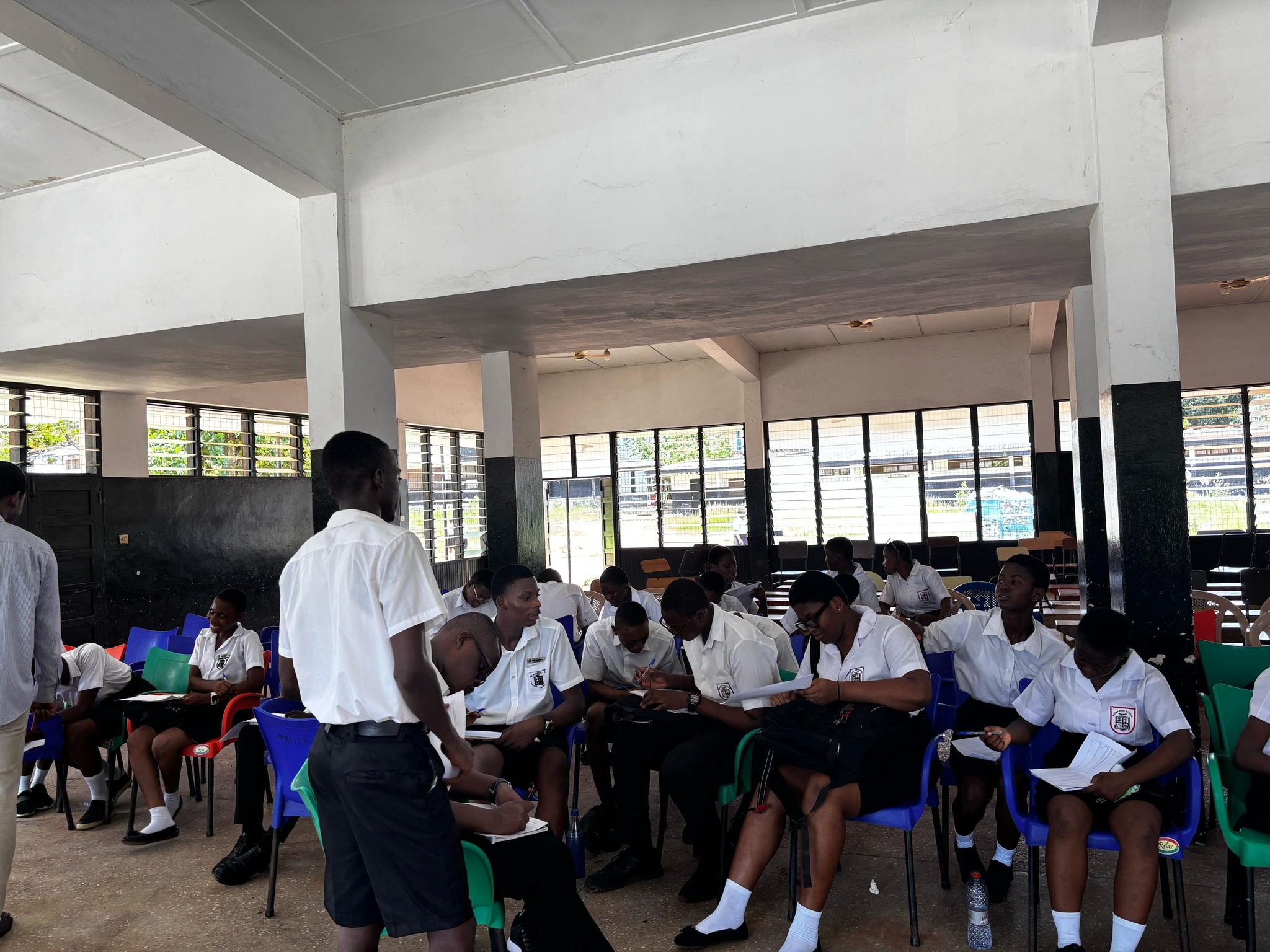
Kanko undertook a comprehensive, country-wide assessment to understand the current landscape, gaps, opportunities, and policy context for inclusive digital skills education in Ghana. The assignment involved the collection and analysis of data from a wide range of stakeholders, including colleges of education, senior high schools, and key government agencies involved in STEM and ICT education.

The team from Kanko conducted key informant interviews and focus group discussions with heads, principals and students of selected teacher training colleges and senior high schools, as well as with representatives of national institutions tasked with education policy and implementation. The discussions explored topics such as:

  • Availability of existing data and evidence on gender-transformative digital skills education.
  • Existing teacher training materials and their relevance to gender-responsive pedagogy.
  • Ongoing initiatives and programmes being implemented by government, NGOs, and the private sector.
  • Capacity development needs for educators and institutions.
  • Levels of ICT access in schools, including internet connectivity and availability of devices.
  • National policies and frameworks guiding digital education and gender inclusion.
  • Teacher training curricula and the accessibility of professional development opportunities for both male and female educators.

The assessment also mapped key stakeholders and highlighted lessons learned from previous interventions, in order to identify best practices that could be scaled or replicated as part of the project’s implementation.

Following the data collection phase, the findings were compiled into a draft report. This report, prepared by the project’s lead consultant, Mary Tobbin Osei, was presented at a validation workshop attended by key stakeholders from the education sector, government ministries, civil society organizations, and development partners. The workshop provided a collaborative space for participants to review and enrich the findings, ensuring they are grounded in the realities and needs of Ghana’s education landscape.

This recent collaboration with UNESCO further highlights Kanko’s capacity to contribute meaningfully to global and regional development efforts. We are proud to be supporting initiatives that seek to promote gender equity, technological empowerment, and inclusive education systems across Ghana and beyond.